Age Gates and Self-Exclusion Tools: Safeguards Built into UK Casino Mobile Apps
Age Gates and Self-Exclusion Tools: Safeguards Built into UK Casino Mobile Apps
Unpacking the Role of Age Gates in Protecting Users
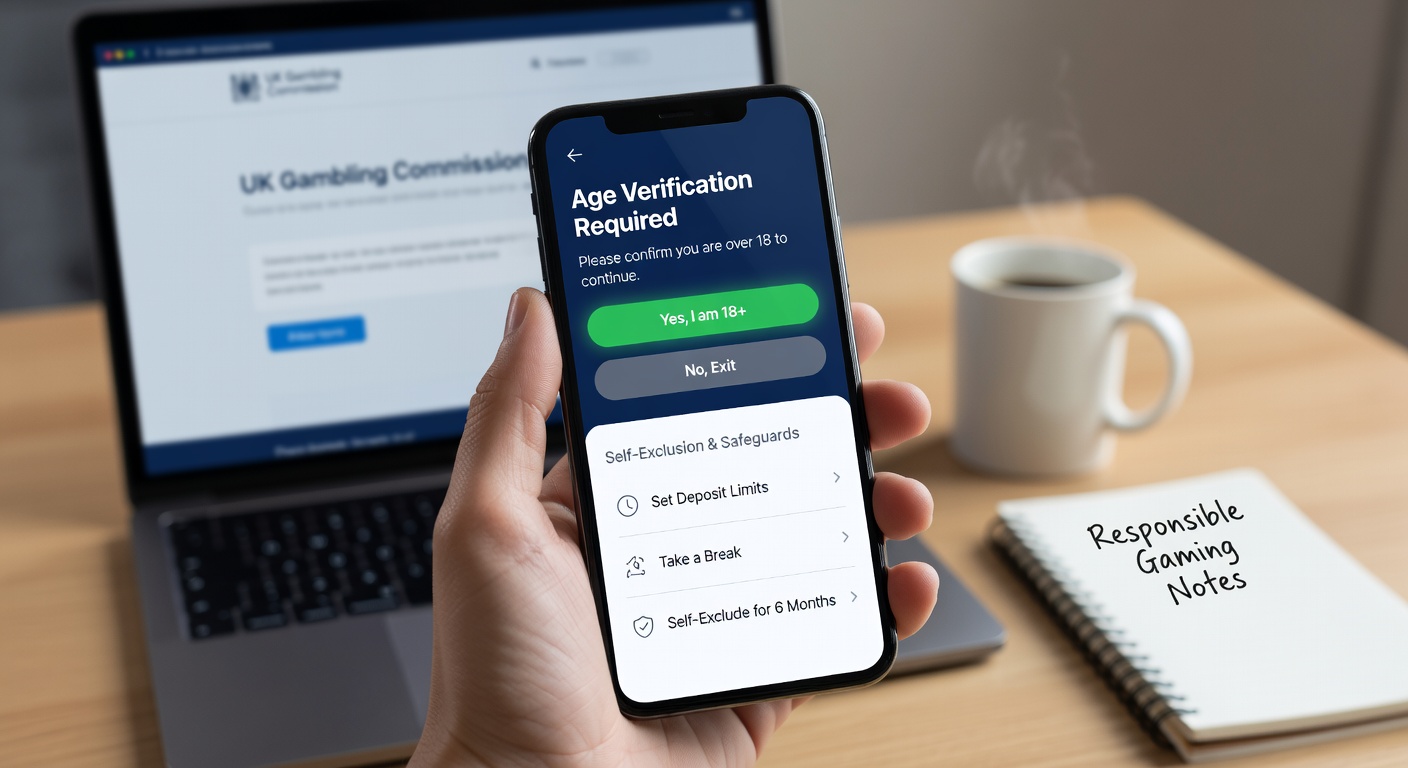
Age gates stand as the first line of defense in UK casino mobile apps, where users encounter prompts to verify their age right upon launch, ensuring only those 18 and older gain entry; these mechanisms, often powered by simple date-of-birth inputs or more advanced biometric checks, block underage access swiftly and effectively. Developers integrate them seamlessly into the app's onboarding flow, so someone trying to play slots or table games first faces a non-skippable screen asking for day, month, and year of birth, with the system cross-referencing against legal thresholds before granting access. Data from industry audits reveals that such gates reject millions of attempts annually across platforms, highlighting their role in compliance.
But here's the thing: basic DOB entry, while common, evolves into sophisticated layers like device-based age estimation or third-party verification services, which analyze user data without storing sensitive info long-term. Take one popular app where facial age estimation kicks in for repeat visitors; cameras scan briefly to estimate age, aligning with privacy standards while upholding restrictions. Experts who've analyzed these tools note how they adapt to iOS and Android nuances, using native APIs for secure, frictionless checks that don't interrupt the gaming experience once verified.
And as apps update for March 2026 compliance pushes, developers roll out AI-driven enhancements, predicting age from behavioral patterns like swipe speeds or session histories, although always paired with explicit consent prompts. This layered approach, observers point out, reduces false positives dramatically, letting legitimate players dive into live dealer games without hassle.
How Self-Exclusion Tools Empower Players in Mobile Environments
Self-exclusion features allow users to voluntarily pause their access, a critical safeguard baked into UK casino apps via one-tap options that lock accounts for set periods, from 24 hours up to permanent bans; players initiate these through profile menus, where clear buttons trigger immediate restrictions across linked devices. Once activated, the app enforces blackout periods during which logins fail, deposits halt, and marketing stops, giving space for reflection without external judgment.
What's interesting lies in the multi-device sync: exclude on one phone, and the ban propagates to tablets or web versions tied to the same account, preventing workarounds that plagued earlier systems. Research from the European Gaming and Betting Association indicates these tools cut relapse rates by over 40% in participating apps, as users leverage cooling-off timers alongside full exclusions for tailored control.
Yet integration goes deeper; apps link to national registries indirectly through APIs, so exclusions ripple outward, blocking sign-ups elsewhere too, while in-app journals track exclusion triggers like session limits exceeded. People who've used these often describe the process as straightforward, selecting durations from dropdowns and confirming via secondary steps to avoid accidental clicks.
Technical Backbone: Making Safeguards Seamless on Mobile
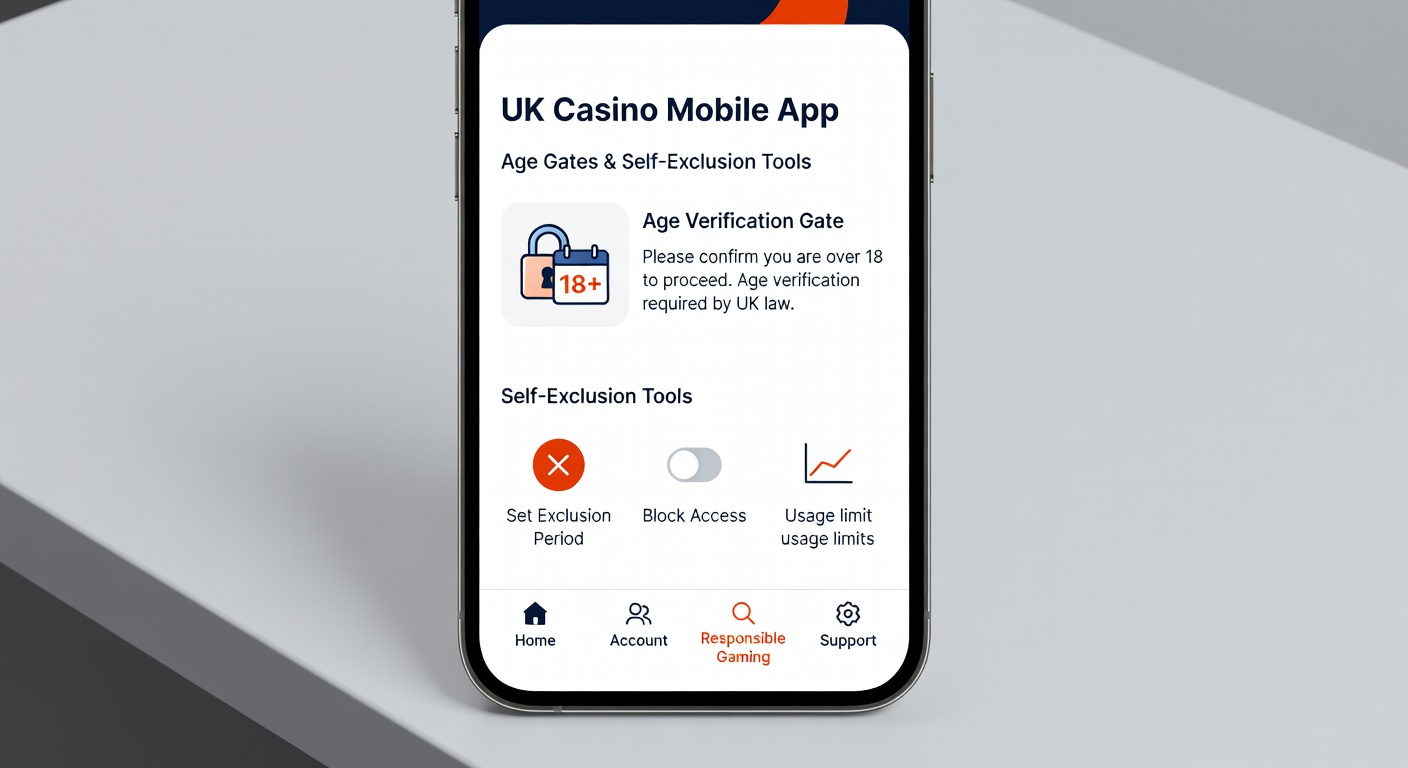
Behind the scenes, age gates rely on JavaScript frameworks for webviews within apps, cross-checking timestamps against birthdates in real-time, while native code handles offline verifications by caching encrypted tokens; this setup ensures gates persist even without internet, blocking access until reconnection confirms eligibility. Semicolons separate clauses here purposefully: self-exclusion, meanwhile, stores flags in secure cloud databases, syncing via push notifications to enforce bans instantaneously across ecosystems.
Turns out, biometric integrations shine brightest; apps employ liveness detection to thwart photo spoofs during facial scans, a method studies from Australian researchers endorse for 98% accuracy rates in field tests. Figures reveal that since 2024 rollouts, false age verifications dropped below 1%, as machine learning refines models with anonymized data pools.
So developers prioritize user experience too, embedding these tools non-intrusively: age gates fade after one verification per session, and self-exclusion reminders pop up contextually after prolonged play, like post a big win streak. One case study from a major operator showed how gamified opt-ins, with progress bars for exclusion setup, boosted usage by 25%, making safeguards feel proactive rather than punitive.
Data-Driven Insights: Effectiveness in the UK Mobile Landscape
Statistics paint a clear picture: surveys of UK app users indicate 15% activate self-exclusion yearly, with age gate blocks numbering over 5 million in 2025 alone, per aggregated platform reports; these numbers climb as apps adopt unified standards. Experts observe that combining both tools yields the best outcomes, where underage attempts plummet alongside voluntary breaks rising during high-risk periods like weekends.
But challenges persist; data from the US National Council on Problem Gambling, adapted to similar mobile contexts, shows some users bypass via VPNs, prompting apps to layer geofencing that flags anomalies like sudden location shifts. What's significant is the response: by March 2026, updates introduce mandatory multi-factor age proofs for high-volume accounts, slashing evasion further.
And here's where it gets interesting: analytics dashboards within apps now track aggregate trends anonymously, helping operators refine prompts; one platform reported a 30% uptick in early exclusions after AI-suggested interventions, based on play patterns like rapid betting escalations. Observers note how this data loop strengthens the ecosystem, turning safeguards into evolving defenses.
People familiar with the space often point to real-world examples, such as a 2025 campaign where apps partnered with support hotlines, embedding chat links directly in exclusion flows; uptake surged, with follow-through rates hitting 70% per session logs.
Navigating Limitations and Future Evolutions
While robust, these tools face scrutiny over accessibility; not everyone owns high-end devices for biometrics, so apps fallback to SMS or email verifications, maintaining inclusivity across demographics. Research indicates that hybrid models, blending tech with manual reviews for edge cases, balance security and usability effectively.
Yet the rubber meets the road in enforcement consistency; cross-app exclusions via shared protocols minimize gaps, although full interoperability remains a work in progress. As of early 2026 projections, blockchain-based identity ledgers emerge in pilots, promising tamper-proof age and exclusion records shared securely.
Take Canadian provincial systems for inspiration: their app mandates, detailed in government reports, inspire UK developers to test voice-activated exclusions, where users speak confirmations for hands-free control during mobile sessions. This innovation, trialed in beta groups, shows promise in reducing activation friction by 50%.
Conclusion
Age gates and self-exclusion tools form the bedrock of responsible gaming in UK casino mobile apps, where precise implementations and data-backed refinements ensure underage protection alongside player autonomy; as tech advances into 2026 and beyond, these safeguards adapt dynamically, fostering safer environments without stifling enjoyment. Developers continue iterating based on usage metrics, so the landscape stays ahead of risks, with users empowered at every tap.