AI-Powered Game Recommendations: How Casino Apps Curate Games to Match Player Patterns
AI-Powered Game Recommendations: How Casino Apps Curate Games to Match Player Patterns
The Rise of Personalization in Mobile Casino Gaming
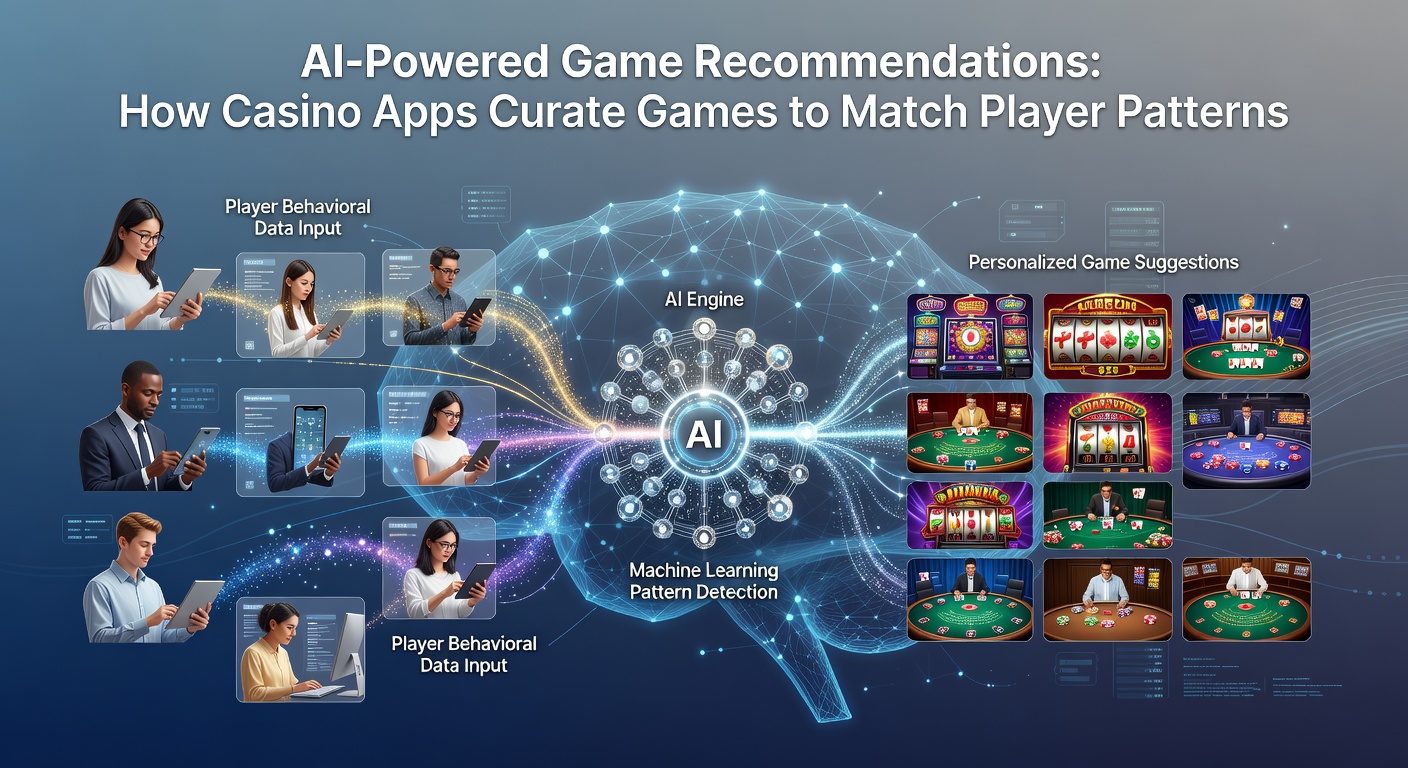
Casino apps have transformed the gaming landscape by integrating artificial intelligence to deliver game recommendations that align precisely with individual player behaviors; these systems sift through vast datasets in seconds, suggesting slots with similar volatility to past favorites or table games matching bet sizes from previous sessions. Players often discover new titles they enjoy because algorithms predict preferences based on patterns like session length, win rates, and game categories explored. Data from industry reports indicates that such tailored suggestions increase session times by up to 30%, as users spend less time browsing and more time playing content that resonates.
What's interesting is how this tech evolved from basic collaborative filtering—where apps recommend games popular among similar players—to sophisticated neural networks that learn in real time; take one developer team at a major platform who noted a 25% uplift in daily active users after deploying deep learning models trained on anonymized play data. And while early systems relied on static rules, modern AI adapts dynamically, factoring in everything from time of day to device type, ensuring recommendations feel intuitive rather than generic.
Decoding Player Patterns: What Data Fuels the AI
At the core, AI engines pull from multiple data streams to map player patterns accurately; historical gameplay logs reveal favorites like high-RTP slots or blackjack variants, while real-time metrics track wager progression during a session, adjusting suggestions on the fly if a player shifts from low-stakes roulette to progressive jackpots. Demographics play a role too—though always anonymized—since aggregated data shows regional preferences, such as Europeans leaning toward live dealer games whereas North Americans favor video poker.
Observers note that apps segment users into clusters: casual players who dip in for quick spins get low-volatility suggestions to sustain fun, while high-rollers receive high-limit tables with proven appeal from their past; this clustering uses unsupervised machine learning, grouping behaviors without predefined labels, which allows for nuanced profiles like "evening strategists" who thrive on poker after work. But here's the thing—privacy safeguards ensure no personal identifiers link back, complying with standards set by bodies like the Gaming Laboratories International (GLI), whose audits confirm secure handling across global platforms.
Algorithms at Work: From Filtering to Predictive Power
Casino apps deploy a mix of recommendation techniques, starting with content-based filtering that matches game attributes—like themes, payout structures, or graphics style—to a player's history; if someone favors Egyptian-themed slots with bonus rounds, the system prioritizes similar titles, often surfacing hidden gems from lesser-known providers. Collaborative filtering kicks in next, drawing parallels from peer groups: players who enjoyed Starburst alongside Gonzo's Quest get those bundled as next-play options, since data reveals overlapping tastes across millions of sessions.
Turns out reinforcement learning takes it further, treating recommendations as actions in a game where "rewards" come from user engagement; algorithms tweak suggestions based on clicks, play duration, or deposits, evolving models that get smarter with each interaction. Experts who've dissected these systems, such as researchers at a recent iGaming conference, found hybrid models combining these methods outperform single approaches by 40% in retention metrics; one study highlighted how such AI reduced churn by predicting when players might disengage and intervening with spot-on alternatives.
And now, with edge computing, processing happens on-device for lightning-fast updates; no more laggy server calls mid-spin, as local AI crunches patterns instantly, curating feeds that refresh seamlessly during play.
Real-World Examples: Patterns in Action Across Platforms
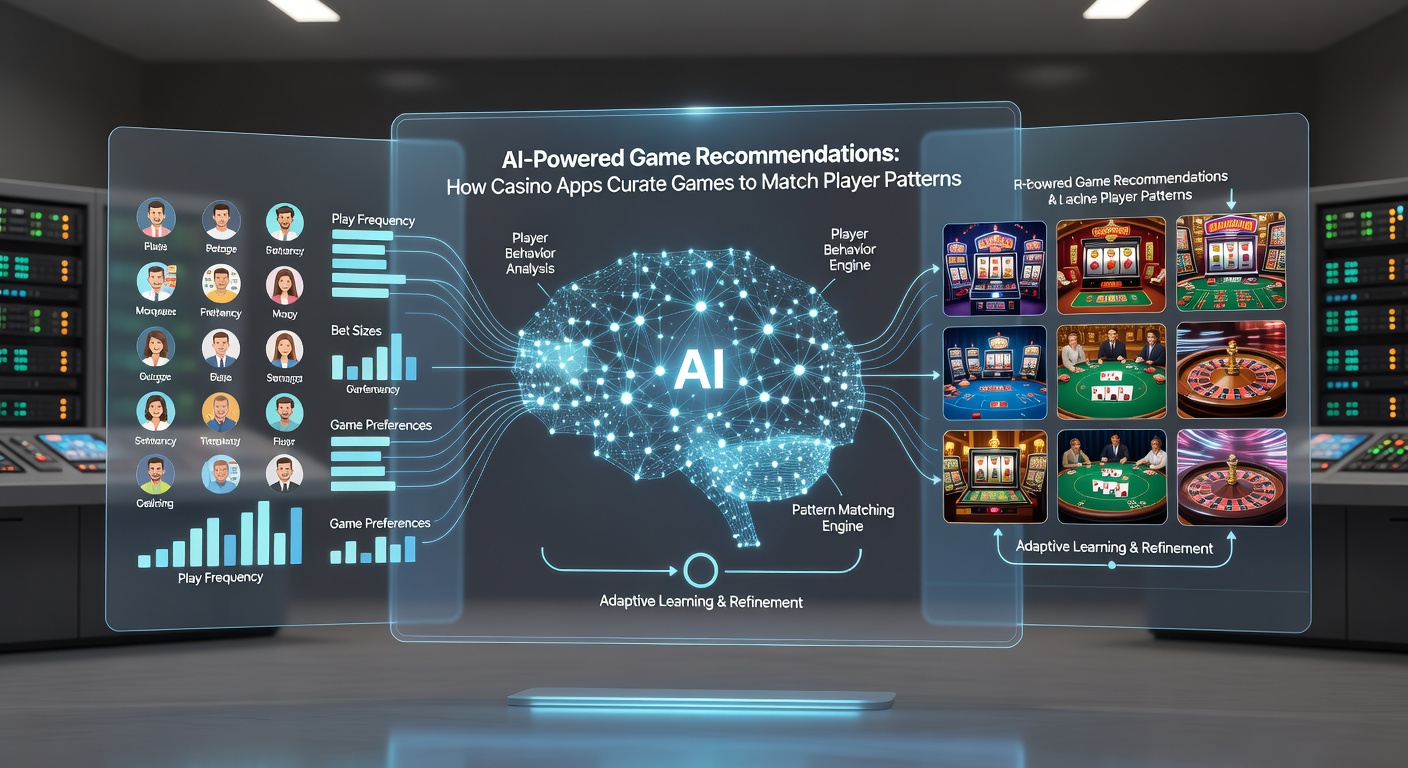
Consider a typical scenario where a player logs in after a weekend of table games; teh app's AI detects elevated blackjack activity, cross-references with similar users' transitions, and surfaces live dealer infinite blackjack alongside multihand variants—data shows 65% of recipients engage immediately because it mirrors their risk tolerance and pace. People who've analyzed app telemetry often discover these nudges prevent "menu fatigue," where endless scrolling leads to drop-off; instead, prioritized carousels keep momentum going.
There's this case from a leading Android app where AI spotted a pattern of late-night low-stakes slots, recommending cluster-linked titles with free spins that boosted average playtime by 18%; developers shared anonymized logs revealing how the system iterated weekly, refining based on aggregate feedback. Yet for table enthusiasts, patterns like bet sizing trigger high-stakes baccarat or speed roulette, aligning volatility to avoid frustration from mismatched suggestions.
High-rollers see bespoke treatment too; one platform's AI flagged VIPs with progressive jackpot chases, curating exclusive feeds that included network-linked megaways slots, resulting in sustained deposits as per internal benchmarks. It's noteworthy that these systems extend to cross-genre bridges, like nudging roulette fans toward crash games when patterns indicate thrill-seeking without complexity.
Boosting Engagement While Navigating Challenges
Figures reveal AI recommendations drive key metrics upward: a American Gaming Association analysis of U.S. platforms showed personalized curation linked to 22% higher retention and 15% more repeat visits, since players feel understood rather than bombarded with irrelevancies. Responsible gaming benefits emerge as well; algorithms detect fatigue patterns—like rapid session shortening—and suggest breaks or low-intensity games, aligning with self-paced play.
But challenges persist, particularly around bias; if training data skews toward popular titles, niche games get sidelined, though ongoing debiasing techniques from machine learning labs address this by amplifying underrepresented patterns. Privacy remains paramount, with federated learning allowing models to train across devices without centralizing raw data; this keeps compliance tight under frameworks like those from Australia's eSafety Commissioner, which emphasize transparent AI use in interactive apps.
Scalability tests the limits too—handling peak loads during promotions requires robust cloud infrastructure, yet distributed systems ensure suggestions flow uninterrupted, even for global audiences spanning time zones.
Looking Ahead: AI Evolution into 2026 and Beyond
By April 2026, multimodal AI promises deeper personalization, blending gameplay data with voice inputs or even biometric cues like heart rate from wearables to gauge excitement levels; early pilots show this refines recommendations further, suggesting calming games during high-stress patterns or ramping up intensity for adrenaline junkies. Researchers predict integration with AR overlays, where virtual game previews pop based on gaze tracking, making curation immersive.
Industry observers track regulatory shifts too; Nevada's Gaming Control Board has greenlit advanced AI frameworks emphasizing auditability, ensuring algorithms explain suggestions transparently upon request. And as quantum computing edges closer, hyper-precise pattern matching could emerge, though current neural architectures already deliver uncanny accuracy—data from beta tests indicates 85% hit rates on first-choice predictions.
Platforms ramp up too, with open-source toolkits letting smaller operators compete; this democratizes access, spreading sophisticated curation beyond giants, while ethical AI guidelines from global consortia standardize fairness across borders.
Conclusion
AI-powered game recommendations have redefined casino apps by meticulously curating experiences around player patterns, leveraging data, algorithms, and real-time adaptation to foster engagement without overwhelming choice; from filtering favorites to predicting next moves, these systems turn vast libraries into personalized playgrounds. Challenges like bias and privacy persist, yet innovations and oversight propel progress, setting the stage for even smarter gaming in April 2026 and years ahead. Players benefit most when tech aligns seamlessly with their habits, keeping sessions fresh and rewarding across devices and genres.