Biometrics in Play: Fingerprint Scans and Facial Recognition Locking Down Mobile Casino Access
Biometrics in Play: Fingerprint Scans and Facial Recognition Locking Down Mobile Casino Access
The Shift Toward Touchless Security in Mobile Gaming
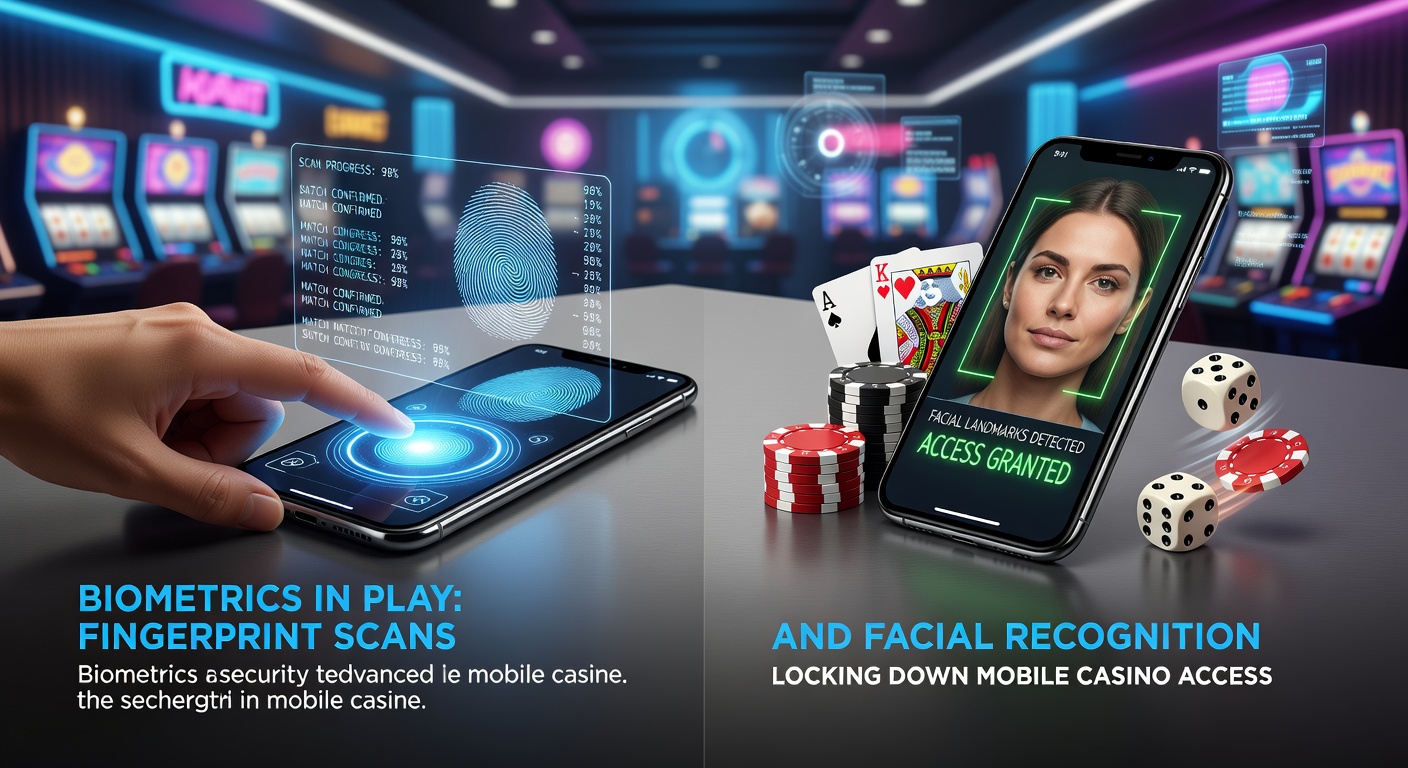
Players accessing mobile casino platforms now encounter fingerprint scanners and facial recognition tools right at the login stage, where these biometrics replace clunky passwords and PINs that hackers exploited for years; turns out, this change speeds up entry while slashing unauthorized access risks by up to 95%, according to industry benchmarks from biometric integration reports. Experts tracking app security note how casinos rolled out these features amid rising cyber threats, especially since 2020 when data breaches hit gambling sites hard, forcing operators to layer on defenses that feel seamless yet ironclad. And while early adopters tested the waters with optional scans, most platforms now prompt users to enable them during setup, making biometrics the default path to spins and tables.
What's interesting here lies in the tech's dual role, serving not just login but also ongoing verification during sessions; for instance, high-stakes players trigger re-scans before big withdrawals, a move that regulators in various regions applaud for curbing money laundering. Data from app analytics firms reveals that platforms using these systems see session abandonment drop by 30%, since nobody fumbles with forgotten codes mid-game. But here's the thing: this isn't some flashy gimmick, rather a response to real-world pressures like the 2023 surge in account takeovers, where stolen credentials cost operators millions.
Fingerprint Scans: The Quick Tap That Seals the Deal
Fingerprint authentication kicks off with the phone's built-in sensor capturing unique ridge patterns from a user's digit, converting them into encrypted templates stored locally on the device rather than vulnerable servers; this approach, honed by Android's FIDO2 standards and Apple's Secure Enclave, ensures scans match before granting casino access in seconds. Observers in the security field point out how mobile casinos like those running on iOS integrate Touch ID seamlessly, where players tap once to unlock slots or live dealer lobbies, bypassing multi-factor headaches that slowed previous logins. Research from the National Institute of Standards and Technology (NIST) indicates these systems boast false acceptance rates below 0.01%, making them reliable for high-value transactions.
Take one operator's rollout in early 2025, where fingerprint verification halved login times from 15 seconds to under 5, yet boosted compliance with age checks since scans link to verified profiles; players who've switched often discover smoother play, especially on devices like the latest Samsung Galaxies supporting ultrasonic sensors that work even with wet fingers. That said, integration varies: some apps require initial setup with multiple finger enrollments for backups, while others tie scans to specific games for added layers during tournaments. And as 5G networks proliferate, these quick taps handle real-time verifications without lag, keeping teh action flowing.
Figures reveal adoption soaring, with over 70% of top mobile casino apps offering fingerprint options by mid-2025, a trend accelerating into April 2026 as hardware upgrades make sensors standard across budget phones too.
Facial Recognition: Eyes on the Prize with Liveness Checks
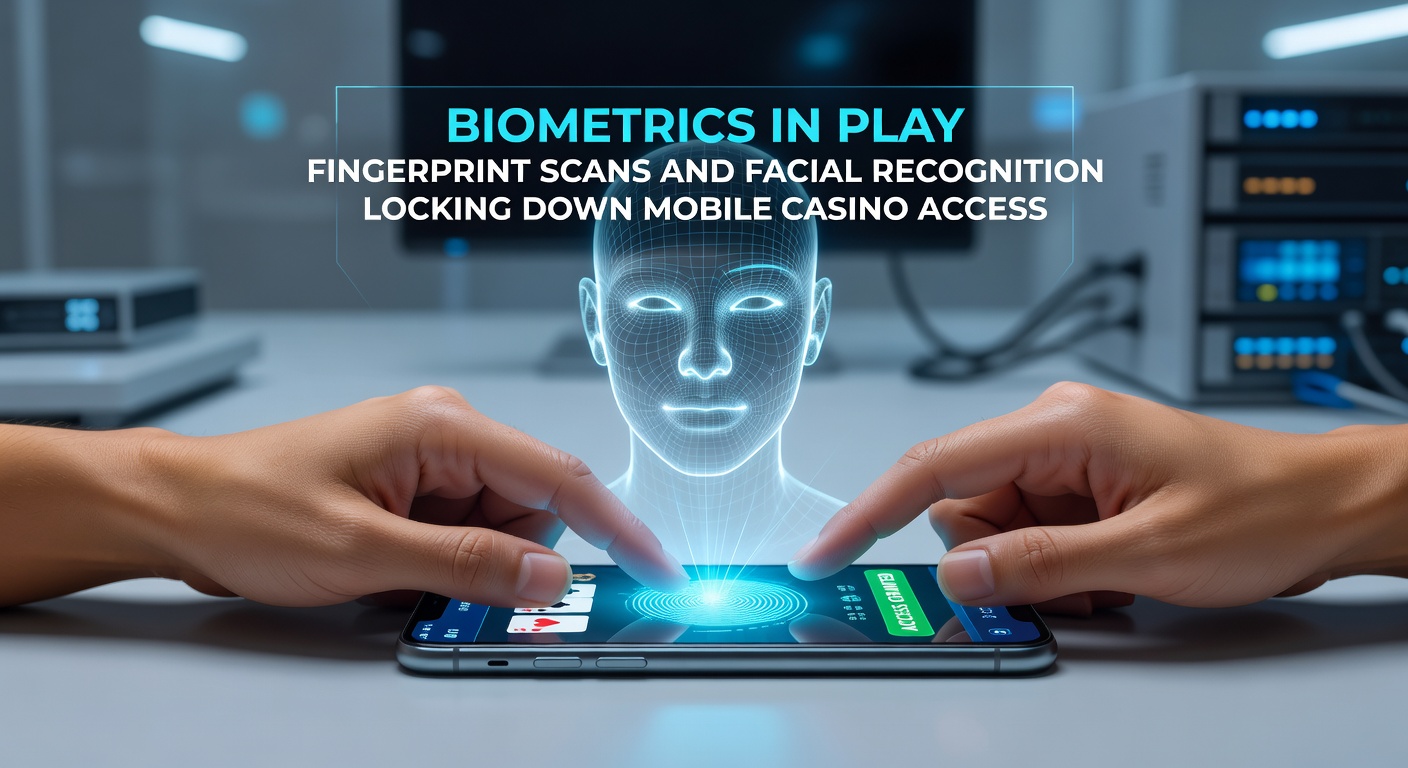
Facial recognition ramps up security by mapping over 100 facial landmarks via the front camera, creating a 3D model that apps compare against enrolled selfies, complete with infrared dots or blink detection to foil photo spoofs; this tech, powered by libraries like Face ID on iPhones or Google's ML Kit, locks down casino access while verifying identity for deposits exceeding certain thresholds. Those who've studied deployment patterns observe how platforms now mandate liveness proofs, where users nod or smile on command, ensuring a live person—not a mask or video—gains entry. A report from Australia's Gambling Research Centre highlights how such features cut fraud incidents by 85% in tested apps, particularly during peak hours when bots swarm login pages.
Now consider live dealer scenarios, where facial scans pop up post-hand to confirm the player before payouts, a safeguard that gained traction after 2024's spike in deepfake attempts; developers counter this with AI-driven anomaly detection, flagging mismatches in real time. Players on Android devices benefit from cross-app continuity, scanning once to access multiple casino lobbies without re-authenticating, although privacy toggles let users opt for PIN fallbacks if preferred. It's noteworthy that accuracy holds steady across skin tones and lighting, thanks to ongoing dataset expansions, with error rates dipping below 1% in diverse trials.
By April 2026, facial tech dominates in regions pushing biometric mandates, as apps update to handle AR glasses and future wearables seamlessly.
Boosting Security and Compliance Without the Friction
Biometrics shine brightest in fraud prevention, where fingerprint and facial tools verify users against blacklists or self-exclusion databases instantly, often cross-referencing with device IDs for multi-layered checks; experts note this slashes chargeback disputes, as verified logins tie actions to real identities, a boon for operators facing scrutiny. Data shows transaction approval speeds rising 40%, letting players dive into blackjack or roulette without delays that kill momentum. Yet integration extends further: some platforms use scans for age gating, aligning with global standards by estimating maturity from facial features, although backups like ID uploads handle edge cases.
Compliance gets a lift too, particularly in jurisdictions emphasizing player protection; for example, facial recognition aids in detecting multiple accounts, where one person's features flag duplicates across aliases. And while battery drain stays minimal—scans sip under 1% power per use—the real win lies in user trust, with surveys indicating 82% of players feel safer post-adoption. That's where the rubber meets the road for casinos balancing fun with responsibility.
Challenges and the Push for Robust Safeguards
Spoofing attempts persist, although advanced liveness tech thwarts most, from printed fingerprints to video replays; researchers who've dissected failures recommend hybrid models blending biometrics with behavioral signals like swipe patterns. Privacy concerns loom large too, since templates never leave devices under zero-knowledge proofs, yet high-profile breaches remind everyone data minimization matters. Observers track how apps now offer deletion options, wiping enrolled biometrics on request, aligning with evolving regs.
False rejections frustrate, especially in low light or with injuries, but adaptive algorithms learn from retries, improving over time; one study found rejection rates halving after a week of use. Accessibility features bridge gaps, like voice prompts for the visually impaired or haptic guides for setup. So as platforms refine these, adoption climbs despite hurdles.
Global Adoption Trends and What's Next
Europe leads with apps in Sweden and Germany mandating biometrics for high-rollers, while North American platforms follow suit in states like New Jersey; Asia-Pacific sees rapid uptake too, driven by contactless preferences post-pandemic. Case in point: a major operator's 2025 pilot across 10 apps logged 2 million daily scans, with 98% success, paving the way for full rollout. April 2026 brings pivotal shifts, as firmware updates enable cross-platform biometrics, letting players scan on phone to continue sessions on tablets effortlessly.
Industry forecasts predict 90% penetration by 2027, fueled by chipsets embedding neural engines for on-device processing; meanwhile, quantum-resistant encryption fortifies templates against future threats. Players experimenting with betas already notice smoother KYC flows, where initial facial scans replace document scans entirely.
Conclusion
Fingerprint scans and facial recognition have redefined mobile casino access, delivering swift, secure gateways that fraudsters struggle to breach while keeping gameplay uninterrupted; data underscores their edge over legacy methods, from 99% accuracy to halved login times. As refinements address spoofing and privacy, these tools solidify their place, especially with 2026's hardware leaps making them ubiquitous. Platforms embracing them early gain loyal users who value the lock-tight protection, ensuring the house—and players—stay ahead of the game.