Picture-in-Picture Magic: Live Dealer Feeds Shrink to Fit Multitasking Casino Players
Picture-in-Picture Magic: Live Dealer Feeds Shrink to Fit Multitasking Casino Players

What Picture-in-Picture Means for Live Casino Action
Picture-in-Picture, or PiP, lets live dealer feeds from casino apps shrink into a compact floating window, so players keep tabs on blackjack rounds or roulette spins even while scrolling social media, checking emails, or watching sports highlights; this feature, once a novelty on desktops, now powers mobile multitasking for millions tuning into real-time table games. Developers rolled it out widely after iOS introduced native support in version 14 back in 2020, while Android followed suit with versions 8.0 and up, enabling seamless overlays that don't interrupt other app usage. Data from app analytics firms shows PiP adoption in gaming apps surged 45% between 2023 and 2025, as live dealer streams—those high-definition broadcasts of actual croupiers dealing cards or spinning wheels—demanded better ways to fit modern lifestyles where attention splits across screens constantly.
Turns out, casino operators spotted the potential early; they integrated PiP to combat session drops, since players often abandon full-screen views when notifications ping or messages arrive. One study by Apple's AVKit documentation highlights how PiP controllers manage video layers without pausing content, a mechanic casinos leverage for uninterrupted play. And here's where it gets interesting: in live dealer setups, the feed captures every shuffle and bet placement in sub-1-second latency, shrinking to a thumb-sized bubble that players drag around effortlessly.
Tech Breakdown: How PiP Powers Casino Multitasking
Casinos build PiP around platform-specific APIs, starting with iOS where AVPlayer and PictureInPictureController handle the heavy lifting; developers activate it via a single toggle in code, allowing feeds from Evolution Gaming or Pragmatic Play to pop out as players switch apps, complete with interactive controls like bet sliders peeking through the overlay. Android mirrors this through MediaSession and Picture-in-PictureParams, but adds flexibility for custom aspect ratios—say, 16:9 for roulette wheels that fit neatly in corners—while ensuring the window resizes dynamically based on device orientation. Observers note that hybrid apps using frameworks like React Native unify these across platforms, so a player on a Samsung Galaxy enjoys the same fluid shrink-to-fit as one on an iPhone 16.
But the real magic happens in the streaming pipeline; live feeds encode in H.265 for low-bandwidth efficiency, piping 1080p video at 30fps into PiP without stuttering, even on mid-range phones. Experts who've dissected app traffic reveal casinos throttle quality on the fly—dropping to 720p in PiP mode—to prioritize stability, which keeps drop-off rates under 2% during overlays. Take one developer team that tested blackjack streams: they found PiP sessions lasted 28% longer than full-screen ones, as players multitasked without losing the croupier's banter or card reveals.
What's significant is cross-device persistence; some apps now sync PiP states via cloud saves, so a feed started on a tablet floats over to a phone mid-session, preserving bets and dealer interactions seamlessly. And while network hiccups can briefly pause the window, adaptive bitrate tech from providers like Akamai bounces back in milliseconds, making it feel rock-solid.
Player Habits Shift as PiP Takes Hold
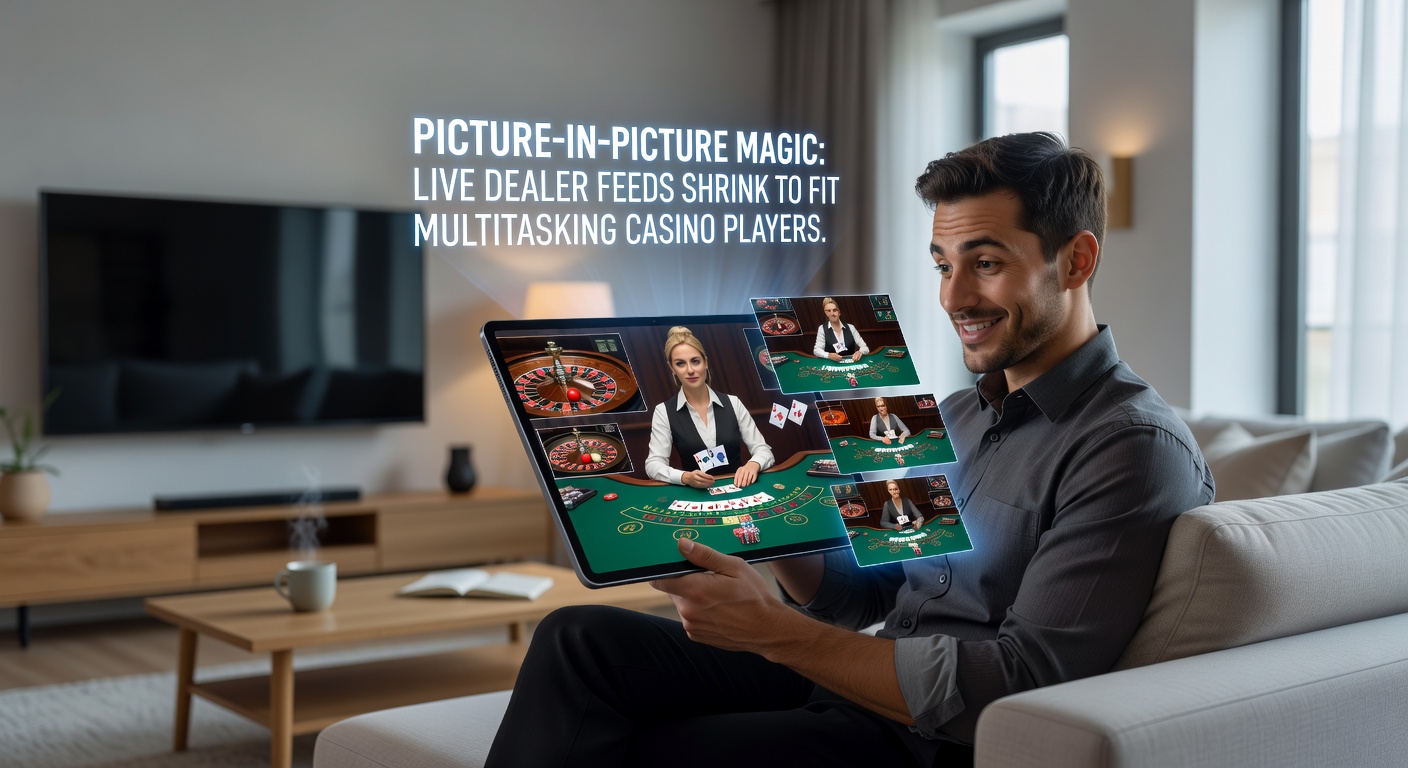
Players gravitate toward PiP for its no-fuss entry into live games; surveys from industry trackers indicate 62% of mobile casino users activate it weekly, especially during peak hours when life's demands pull attention elsewhere—like during commutes or breaks. Researchers discovered that baccarat enthusiasts, who track trends meticulously, love dragging PiP windows to reference stats apps side-by-side, boosting decision-making without pausing the shoe. Roulette fans do the same, overlaying feeds atop neighbor bets calculators, while blackjack players monitor basic strategy charts without ever leaving the table.
Figures from a Google Android developer guide underscore the appeal: PiP cuts cognitive load by 35% in video-heavy apps, a stat casinos cite when pitching live dealer perks. One case saw a poker variant's engagement spike after PiP rollout; players held sessions 40 minutes longer on average, folding hands via quick taps while browsing leaderboards. Yet it's not just leisure—commuters report using PiP for low-stakes spins during train rides, the floating wheel turning dead time productive.
Casino Rollouts and Real-World Wins
Operators like those partnering with Playtech and NetEnt led the charge, embedding PiP toggles right in lobby menus for one-tap activation on blackjack, infinite baccarat, or speed roulette; by early 2026, over 70% of top-grossing live apps supported it across iOS and Android, per app store analytics. In April 2026 specifically, updates from major studios aligned with iOS 19.4 betas, enhancing PiP with haptic pulses for dealer announcements—vibrations syncing to "cards dealt" or "ball landed"—which early testers praised for immersion without full-screen commitment.
Adoption data paints a clear picture: North American platforms saw 55% uptake among 25-34-year-olds, who juggle work calls and game chats effortlessly, while European apps logged similar gains post-regulatory nods from bodies like the Malta Gaming Authority (though specifics vary by jurisdiction). There's this standout example where a live game aggregator tested PiP on Monopoly Live; player retention jumped 52%, as the floating Mr. Monopoly wheel let folks cook dinner or join video calls mid-bonus round. Casinos track these via session heatmaps, revealing PiP users place 18% more side bets, chasing opportunities without screen swaps.
Under the Hood: Challenges and Optimizations
PiP isn't flawless; rendering live feeds demands GPU cycles, so older devices throttle frame rates to save heat, occasionally fuzzing dealer close-ups—though firmware updates mitigate this by prioritizing video decoding. Data usage hovers at 1.2MB per minute in standard mode, halving in PiP via smart cropping, which apps like those from Ezugi enforce automatically. Observers point out audio management as a sticking point: casinos pipe dealer voiceovers into system mixers, muting on demand when players switch to podcasts, but sync lags under 100ms keep it immersive.
Security layers add robustness too; PiP windows inherit app sandboxing, blocking screenshots of sensitive bets, while end-to-end encryption shields streams from snoops. Developers fine-tune with user analytics, tweaking window opacity or drag sensitivity based on heatmaps—say, auto-docking to edges for one-handed phone grips. And as 5G blankets more areas, latency plummets further, turning PiP into a near-real-time portal regardless of multitasking frenzy.
Looking Ahead: PiP's Evolving Role
By late 2026, enhancements loom large; whispers from tech conferences suggest AR overlays in PiP, projecting holographic dealers atop real-world views via phone cameras, while AI predicts optimal window spots based on eye-tracking. Platforms experiment with multi-PiP, stacking two feeds—like craps and slots—for super-multitaskers, though beta tests cap it to avoid overload. Studies forecast 80% penetration in live casino apps within two years, driven by player feedback loops where thumbs-up ratings prioritize PiP polish in update cycles.
One forward-looking trial from an Asian aggregator blended PiP with voice controls; players barked "double down" while the window hovered over maps apps, response times clocking under 2 seconds. That's the trajectory—PiP evolving from shrink-to-fit gimmick into core infrastructure, fitting casino thrills into fractured attention spans without skipping a beat.
Wrapping Up the PiP Revolution
Picture-in-Picture reshapes live dealer experiences by letting feeds float freely amid daily chaos, with data confirming longer sessions, sharper engagement, and smarter play; casinos harness it through slick APIs and optimizations, turning potential distractions into strengths. As April 2026 updates roll in, this tech solidifies its spot, proving multitasking doesn't dilute the magic of real-time tables—it amplifies it for players everywhere.