The folding screen frontier: adapting casino apps to foldable device ecosystems
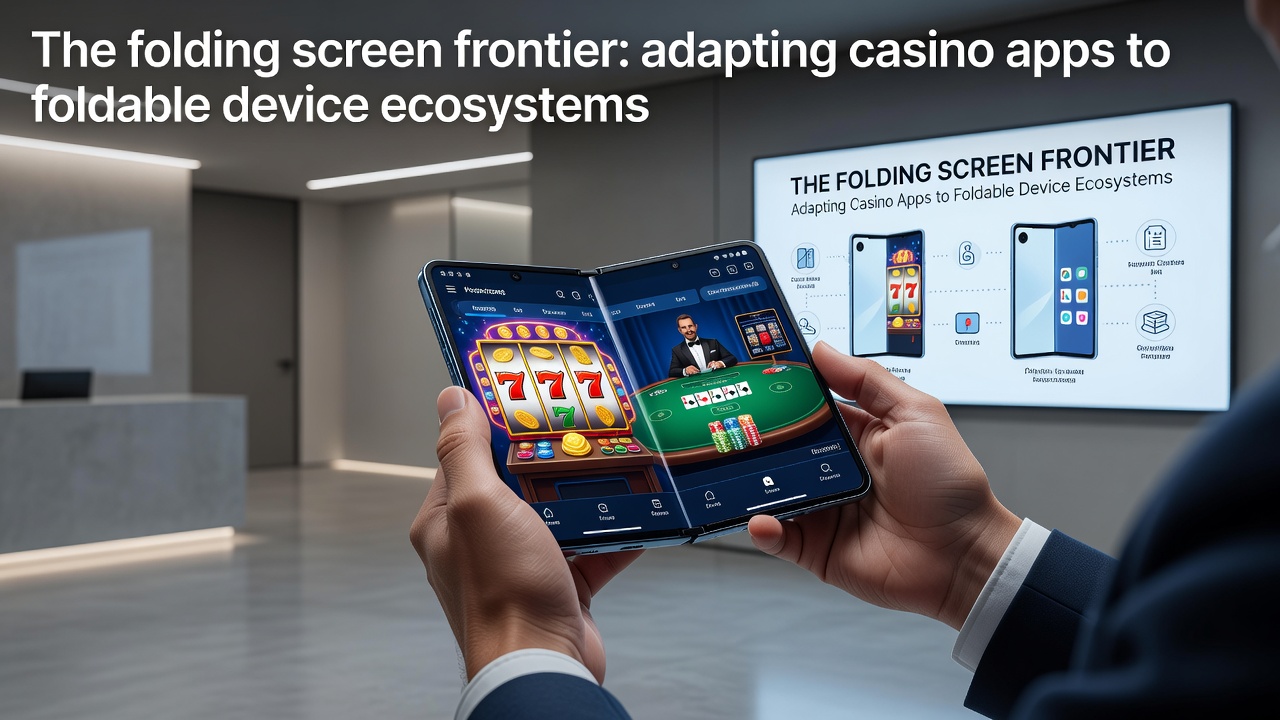
Foldable smartphones have moved from experimental prototypes to commercial products that reached millions of units sold worldwide by early 2025, and casino app developers have responded by redesigning interfaces to accommodate the unique screen configurations these devices provide. Samsung's Galaxy Z Fold series and Google's Pixel Fold have driven much of this growth, while similar models from Chinese manufacturers have expanded the market further into Europe and Asia. Those who've studied device adoption patterns note that foldables now represent a distinct segment within the broader mobile gaming ecosystem because their form factor allows simultaneous display of game content and account controls without requiring users to switch views constantly.
Hardware evolution and app compatibility requirements
Manufacturers introduced flexible OLED panels and improved hinge mechanisms that reduced visible creases and extended battery life, yet these changes created new demands on software optimization for gaming applications. Casino platforms must detect when a device unfolds and automatically adjust layouts to use the expanded canvas, while preserving touch responsiveness across the crease area. Research from device testing labs shows that apps failing to implement proper aspect ratio handling often display distorted graphics or unresponsive buttons when the screen transitions between folded and unfolded states. Developers have integrated Android's Jetpack WindowManager library to manage these transitions smoothly, allowing games to maintain continuous play sessions as the physical form changes.
Interface adaptations for dual-screen experiences
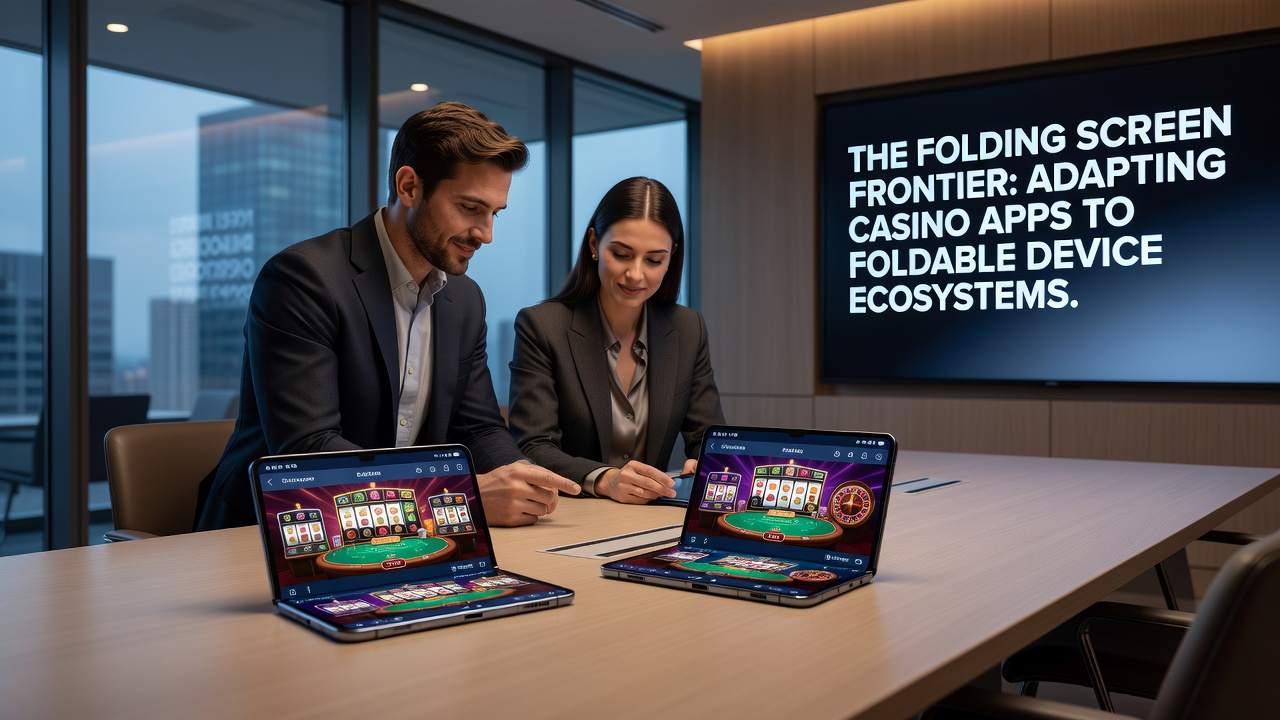
One key shift involves splitting the interface so that the main game occupies the larger unfolded display while secondary elements like bet history or chat functions appear on the secondary portion. This approach eliminates the need for modal pop-ups that interrupt gameplay on traditional single-screen phones. Observers note that several major casino operators began rolling out updated versions supporting these split views in late 2025, with further refinements scheduled through July 2026 to incorporate gesture controls that respond differently depending on the fold angle. Players benefit from the ability to keep a live dealer stream visible on one section while placing bets through the other, which reduces context switching and maintains immersion during extended sessions.
Performance considerations across form factors
Battery drain and thermal management present ongoing challenges because the larger screen area consumes more power during high-frame-rate gameplay. Data collected from device monitoring tools indicates that casino apps running live dealer streams on unfolded foldables draw approximately 15 to 20 percent more energy compared to equivalent sessions on standard smartphones. Engineers have addressed this through dynamic resolution scaling that lowers detail levels when the device detects sustained high temperatures, and through optimized streaming protocols that reduce bandwidth usage without compromising visual quality. Those who've examined performance benchmarks report that apps using these techniques achieve comparable session lengths to non-foldable devices while still delivering the expanded interface benefits.
Regional market responses and regulatory alignment
European operators have worked closely with hardware partners to ensure compliance with data protection standards when apps access device sensors that detect fold states. Similar efforts appear in other jurisdictions, including guidance from the National Council on Problem Gambling on responsible design practices for emerging device types. Australian regulatory bodies have also issued preliminary notes encouraging operators to test accessibility features on foldables, particularly for users who rely on larger text sizes when the screen expands. These parallel developments demonstrate how different regions approach the same technical transition through distinct policy lenses, yet all emphasize maintaining player safeguards during the shift.
Developer tools and testing frameworks
Google's Android team released updated emulator profiles in 2025 that simulate various fold angles and hinge positions, enabling developers to verify app behavior before releasing updates to production. Samsung has provided its own SDK extensions that expose additional APIs for handling multi-window scenarios specific to its foldable lineup. Academic researchers at institutions studying human-computer interaction have published findings on how crease placement affects touch accuracy, leading some studios to introduce slight padding zones around the fold line in their betting interfaces. These combined resources have accelerated the pace at which casino apps reach functional parity across device categories.
Future developments through 2026
Industry reports project continued growth in foldable shipments during 2026, which will likely prompt further specialization in casino app features such as persistent secondary displays for jackpot trackers or tournament leaderboards. Hardware improvements expected by July 2026 include brighter under-display cameras and thinner protective layers that reduce glare during outdoor play. Those monitoring the space anticipate that third-party testing services will expand their foldable certification programs to cover more edge cases, including rapid folding during active sessions and compatibility with external controllers that attach to the unfolded chassis.
Conclusion
The adaptation of casino apps to foldable ecosystems reflects broader trends in mobile software design where hardware innovation drives corresponding changes in user experience patterns. Data from multiple device manufacturers and software vendors shows measurable progress in handling the technical demands of these devices, while regulatory bodies across regions continue to monitor implementation for compliance and accessibility. Continued collaboration between hardware makers, app developers, and standards organizations will determine how quickly these adaptations reach full maturity in the months ahead.